
Avoiding Common Winter Injuries
Winter brings a whole new set of challenges that can leave you hurt and frustrated. In the cold weather, your muscles tighten up and become less flexible, which means they're easier to injure. Add ice and snow to the mix, and you've got a recipe for falls and fractures.
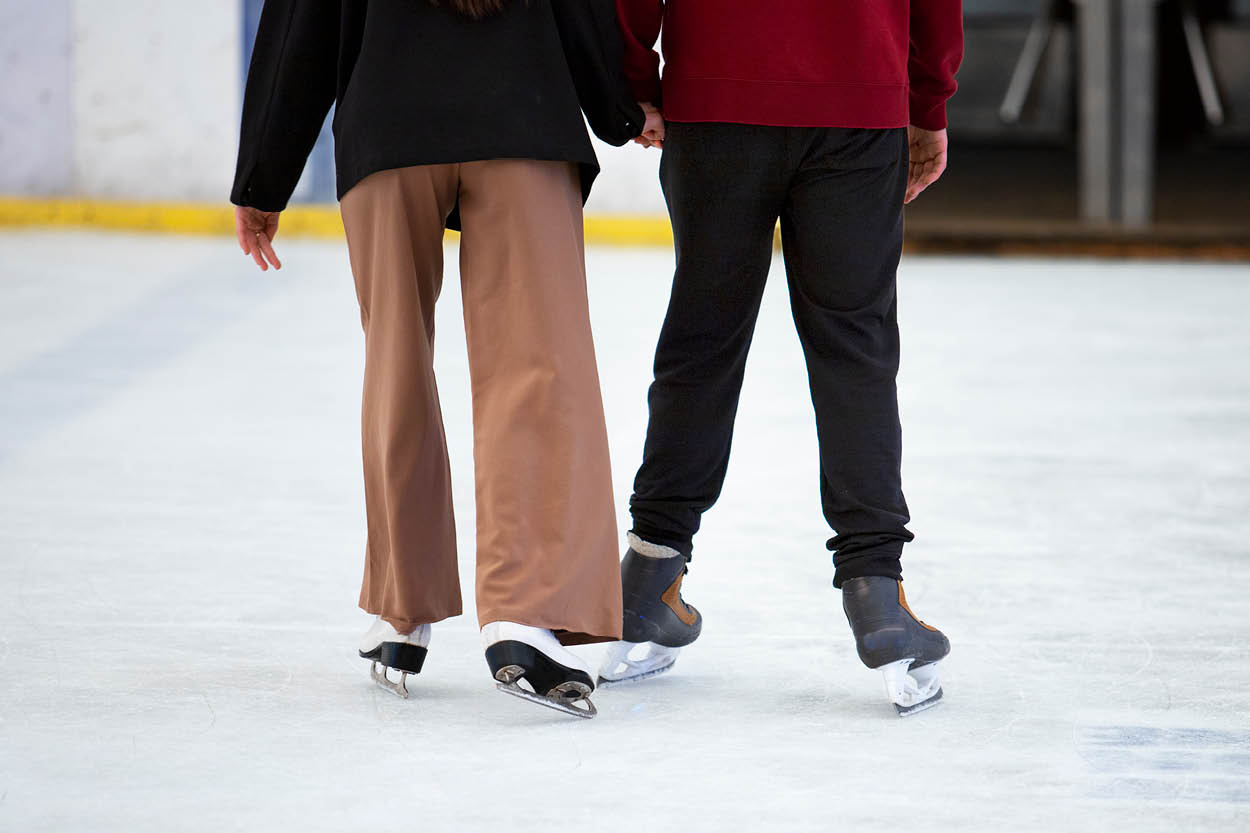
Ice skating looks graceful and effortless until you're flailing around trying to stay upright. When people fall while skating, they usually hurt their wrists, ankles, or head. Wrist fractures are common because your brain tells you to catch yourself with your hands when you're falling. It's instinct, but it puts a lot of force on those delicate wrist bones. Ankle sprains happen when your ankle twists in a way it definitely shouldn't, often because your skates don't fit right or your technique needs work. And head injuries? Those happen when you fall backward, causing your head to meet the ice.
Want to avoid all that? Start with skates that actually fit and support your ankles. Wrist guards and helmets aren't just for kids; they're wise choices for anyone who wants to avoid injury. Keep your knees bent a little to help with balance, and stay away from the crowded spots where you're more likely to collide with someone.
Skiing and Snowboarding
Skiing and snowboarding are thrilling, but they come with higher stakes than ice skating. Skiers often injure their knees, especially the ACL and MCL, which keep the knee stable. These injuries usually happen during a fall when your skis don't release as they should, or when you twist suddenly to avoid hitting something or someone. Snowboarders tend to injure their wrists and shoulders when they fall, and sometimes their ankles if they land a jump poorly.
The good news is that using the right gear makes a huge difference. Have a professional adjust your bindings and always wear a helmet to ensure your brain is safely protected. Taking a lesson or two to learn how to fall safely is always important, even if it seems odd. Stick to slopes that match your ability, keep your head up to watch for others, and avoid collisions.
Taking a Walk
You don't need to be doing anything risky to get hurt in winter. Even walking to your car or heading into the grocery store can become hazardous when ice and snow cover the ground. People of all ages can slip and end up with broken wrists, dislocated shoulders, or head injuries. Older adults should be especially careful, as a fall can lead to hip fractures that can take months to recover from.
To walk safely on ice, slow down and wear shoes with good traction. Take shorter, shuffling steps and keep your weight centered over your feet, rather than walking as you normally would.
When to Get Things Checked Out
Not every fall needs imaging, but some injuries do. Contact New York Imaging Specialists if you have persistent pain, visible deformity, can't bear weight, feel numbness or tingling, or experience confusion or dizziness after a head injury.
Each type of imaging shows something different. X-rays are great for spotting broken bones, while MRIs look at the soft tissues, such as ligaments and muscles, to see if anything's torn or strained. CT scans give really detailed pictures of complicated fractures and are particularly helpful for head injuries. Ultrasounds can check out tendons and ligaments while you're moving.
Don't ignore an injury and hope it gets better on its own. Getting the right imaging early means you can start the appropriate treatment and heal properly, rather than dealing with problems down the road. If you've hurt yourself this winter, call New York Imaging Specialists to schedule an appointment and find out exactly what's going on so you can get back to enjoying your life.